Hair loss is a Health issue
Hair loss, also known as alopecia, refers to the partial or complete loss of hair from the scalp or other parts of the body. It is a natural part of the hair growth cycle, with individuals typically shedding around 50-100 hairs per day. However, when the rate of hair loss exceeds the rate of hair regrowth, it can lead to noticeable thinning or bald patches.
Hair loss is a common concern that affects millions of people worldwide. While it is often perceived as a cosmetic problem, it is essential to understand that hair loss can be a manifestation of underlying health issues. In this blog post, we will delve into the nature of hair loss, and its connection to overall health, and explore methods to address the root causes of this condition.
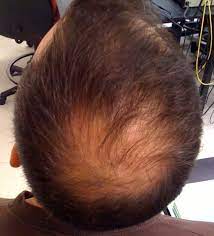
Contrary to popular belief, hair loss is not solely a hair issue; it can be an indication of an underlying health problem. Several factors contribute to hair loss as a health issue
Gut Health Imbalance: Recent research has highlighted the role of gut health in hair loss. An imbalanced gut microbiome can contribute to systemic inflammation and nutrient malabsorption, affecting hair health. Restoring gut balance can be an important aspect of addressing the root cause of hair loss.
Hormonal Imbalances: Hormonal fluctuations, such as those experienced in conditions like polycystic ovary syndrome (PCOS) or thyroid disorders, can disrupt the hair growth cycle, leading to hair loss
Nutritional Deficiencies: Inadequate intake of essential nutrients, including iron, zinc, biotin, and vitamins A, B, C, and D, can weaken hair follicles, resulting in hair loss. A balanced diet is crucial for healthy hair growth.
Autoimmune Diseases: Certain autoimmune conditions, like alopecia areata or lupus, can trigger the immune system to attack hair follicles, leading to hair loss. Treating the underlying autoimmune disorder can help address the hair loss issue.
Scalp Infections: Fungal or bacterial infections, such as ringworm, can cause scalp inflammation and damage to hair follicles, resulting in hair loss. Appropriate medical treatment can resolve the infection and promote hair regrowth.
Chronic Illnesses: Serious medical conditions like diabetes, kidney disease, liver disease, and certain cancers can indirectly cause hair loss due to overall health deterioration. Managing these conditions effectively may help alleviate hair loss symptoms
Consult a Natural Hair Therapist

Consulting a natural hair therapist is vital in addressing the root cause of hair loss. These experts specialize in understanding the unique needs of natural hair and scalp, offering personalized guidance and treatments. By examining factors like diet, stress, and product usage, they can identify potential triggers and provide holistic solutions. Their expertise helps restore balance, nourish the scalp, and promote healthy hair growth. Including a natural hair therapist in your treatment approach enhances the chances of effectively addressing the underlying causes of hair loss.
Nutritional Support
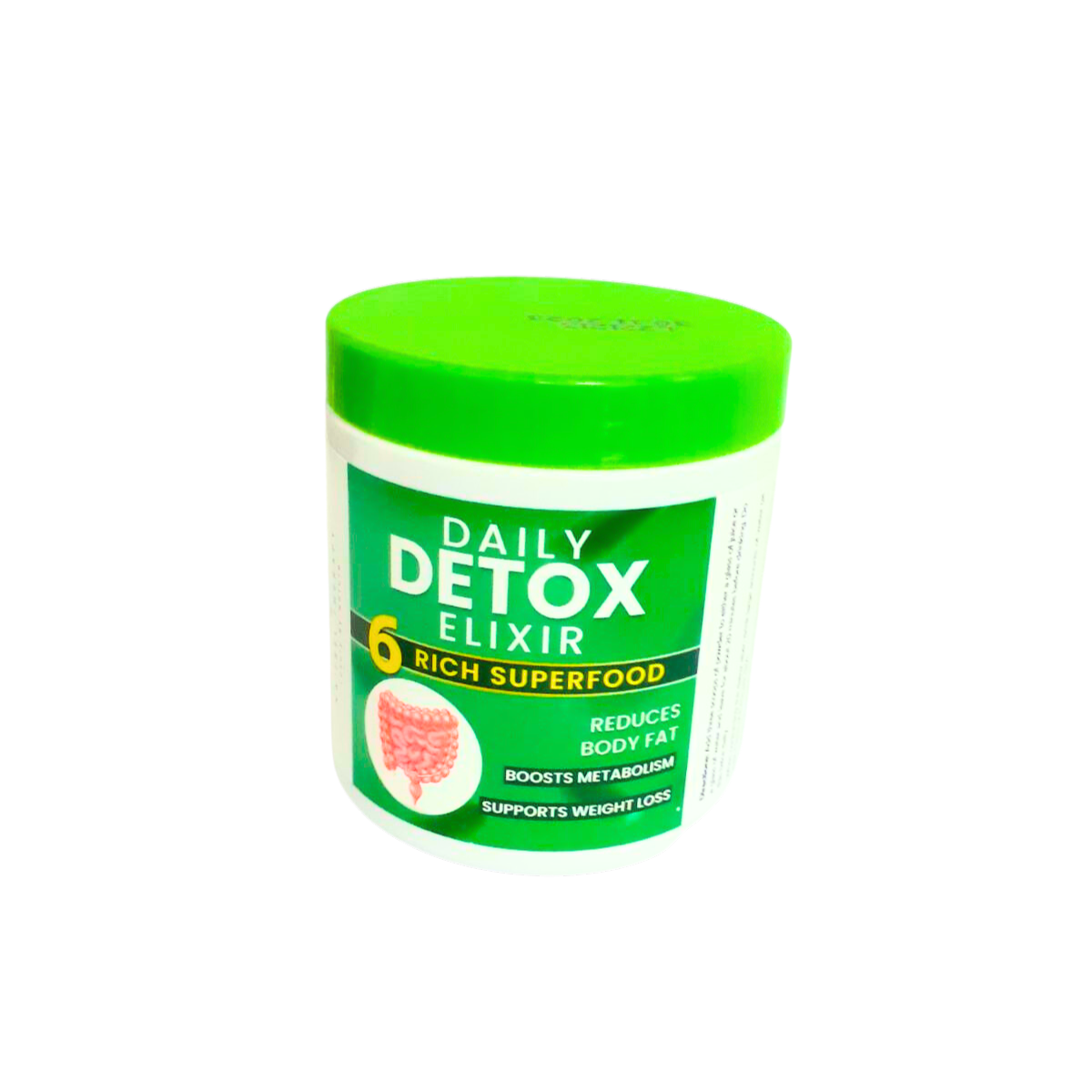
In cases where nutritional deficiencies contribute to hair loss, healthcare professionals may recommend dietary changes or supplements to ensure adequate intake of essential nutrients. This can help restore hair growth and improve overall health.
Stress management

Psychological factors, including stress and trauma, can contribute to hair loss. Techniques such as meditation, exercise, counseling, or stress-reducing activities can help manage stress levels and potentially mitigate hair loss.
Lifestyle modification

Adopting a healthy lifestyle can positively impact hair growth. Regular exercise, sufficient sleep, and minimizing exposure to damaging hair practices (such as excessive heat styling or tight hairstyles) can promote a healthier scalp and hair
In conclusion, hair loss is not merely a cosmetic concern but a significant health issue that can have far-reaching effects on an individual's well-being. It extends beyond the physical aspect of losing scalp and body hair, often leading to emotional distress, lowered self-esteem, and diminished quality of life. While factors like genetics, hormonal imbalances, and underlying medical conditions contribute to hair loss, it is essential to recognize the importance of addressing this condition from a holistic perspective. By acknowledging hair loss as a legitimate health concern, we can encourage further research, promote early detection and intervention, and provide effective support and treatments to mitigate its impact on individuals' overall health and happiness.
Holistic solutions for healthier hair and a healthier you. Transform your hair by transforming your health.



All Rights Reserved. 2023 Natural Hair Therapist