5 Common Sources That Contribute to Toxins in the Body
In a world teeming with constant hustle and bustle, our bodies often bear the brunt of toxic exposure, leading to potential health concerns. Have you ever wondered about the hidden culprits lurking around, waiting to compromise your well-being? Brace yourself, as we delve into the five common sources that silently contribute to toxins invading your body. Prepare to be astonished and equipped with the knowledge needed to reclaim control over your health and minimize the impact of these invisible invaders.
Join us on a journey of discovery as we unravel the mysteries of toxins and their insidious pathways into our bodies. From the pervasive pollution that taints the air we breathe to the unsuspecting chemicals that hide in our food, household products, and personal care items, we'll uncover the sources that pose a threat to our well-being.
But fear not! This blog post isn't just about raising awareness; it's about empowerment. We'll arm you with practical tips and insights on how to safeguard yourself against these toxins. By the end of this journey, you'll possess the knowledge and tools to make informed choices, reduce your exposure, and pave the way for a healthier, toxin-free lifestyle.
Are you ready to unlock the secrets behind the hidden invaders that may be compromising your health? Let's embark on this eye-opening expedition together, and take control of our well-being one toxin at a time!
Environmental Pollution

One of the primary sources of toxins in the body is environmental pollution. Industrial activities, vehicle emissions, and the burning of fossil fuels release harmful substances such as heavy metals (lead, mercury, cadmium), polycyclic aromatic hydrocarbons (PAHs), volatile organic compounds (VOCs), and particulate matter into the air we breathe. These pollutants can enter our bodies through inhalation, and some can accumulate in our tissues over time. To minimize exposure, it is essential to be mindful of the air quality in our surroundings and take steps to reduce pollution, such as using public transportation, supporting clean energy initiatives, and planting trees.
Pesticides and Chemicals

The food we consume can also be a significant source of toxins. Pesticides, herbicides, and other chemicals used in conventional farming practices can leave residues on fruits, vegetables, and grains. These residues can find their way into our bodies when we consume these foods, contributing to our toxin load. To minimize exposure, opt for organic produce whenever possible or consider washing fruits and vegetables thoroughly to reduce pesticide residues. Additionally, diversify your diet by including a variety of fresh, whole foods, as this can help reduce exposure to specific toxins found in certain crops
Household Cleaners and Personal Care Products

Many common household cleaners, detergents, and personal care products contain a cocktail of chemicals that can be harmful to our health. Ingredients such as phthalates, parabens, formaldehyde, and triclosan have been linked to endocrine disruption, allergies, and other health issues. To reduce exposure to toxins from these products, opt for natural, eco-friendly alternatives or make your own cleaning products using simple ingredients like vinegar, baking soda, and essential oils. When selecting personal care products, read labels carefully and choose those that are free from harmful chemicals.
Heavy Metals in Water and Dental Fillings
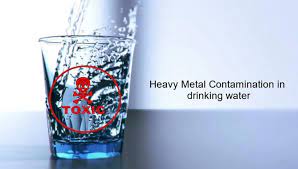
Water, which is essential for life, can sometimes be a source of toxins. Heavy metals like lead, arsenic, and mercury can contaminate water sources, particularly in areas with outdated infrastructure or industrial activities. To ensure the purity of your drinking water, consider using a reliable filtration system that can remove contaminants effectively. Additionally, certain dental fillings containing mercury, known as amalgam fillings, can slowly release mercury vapor into the body. If you have concerns about your dental fillings, consult with a trusted dentist to explore safer alternatives.
Indoor Air Pollution

While we often think of pollution as an outdoor issue, indoor air pollution can be just as significant. Common sources of indoor toxins include volatile organic compounds (VOCs) emitted from paints, adhesives, carpets, and furniture, as well as mold and allergens. To improve indoor air quality, ensure proper ventilation by opening windows when possible and using air purifiers with HEPA filters. Regularly clean and maintain your living space to prevent the buildup of dust, mold, and other potential sources of indoor toxins.
CONCLUSION
Reducing the toxin load on our bodies is crucial for maintaining good health and well-being. By being mindful of the sources mentioned above, we can take proactive steps to minimize our exposure to toxins. Remember, small changes in our lifestyle and choices can make a significant difference. By supporting eco-friendly practices, choosing natural alternatives, and adopting healthier habits, we can pave the way for a cleaner, toxin-free environment and a healthier future for ourselves and generations to come.
Holistic solutions for healthier hair and a healthier you. Transform your hair by transforming your health.



All Rights Reserved. 2023 Natural Hair Therapist